In the global shipping industry, “Lead Time” is the total duration from the moment a technical failure is identified to the moment the replacement part is installed on the vessel. To reduce this window, procurement managers must optimize three distinct phases: Sourcing, Processing, and Logistics.
1. The Power of “Strategic Inventory” (Sourcing Phase)
The fastest way to reduce lead time is to eliminate “Production Time.” If a part has to be manufactured after you order it, your lead time is already compromised.
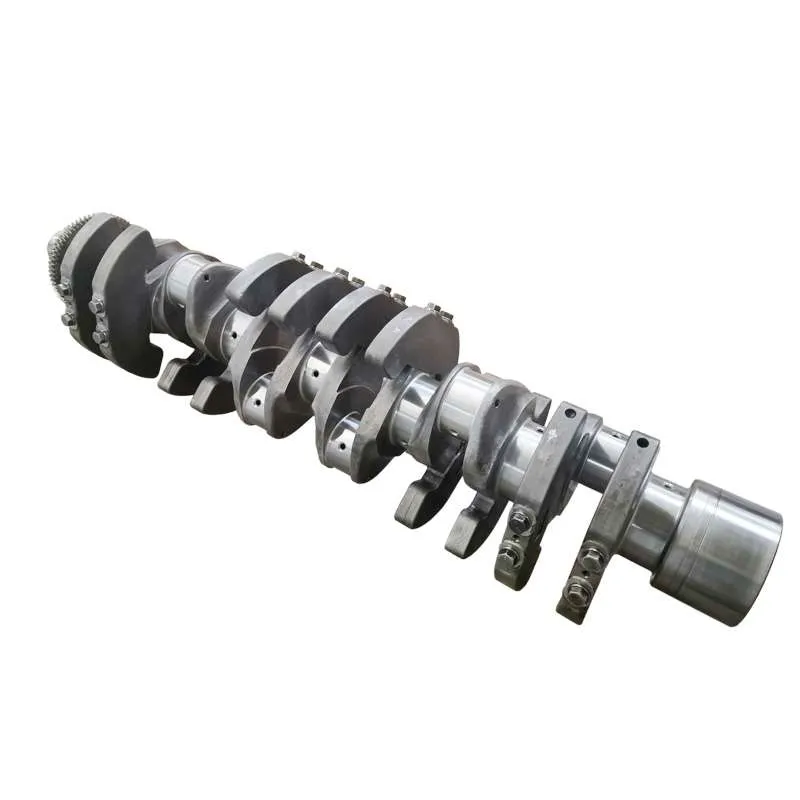
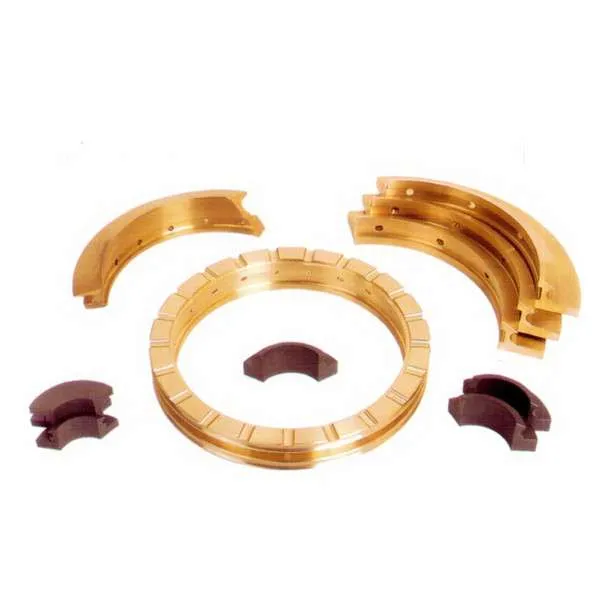
- Partner with High-Stock Wholesalers: Instead of small brokers, work with suppliers who maintain a physical 6,000+ SKU inventory.
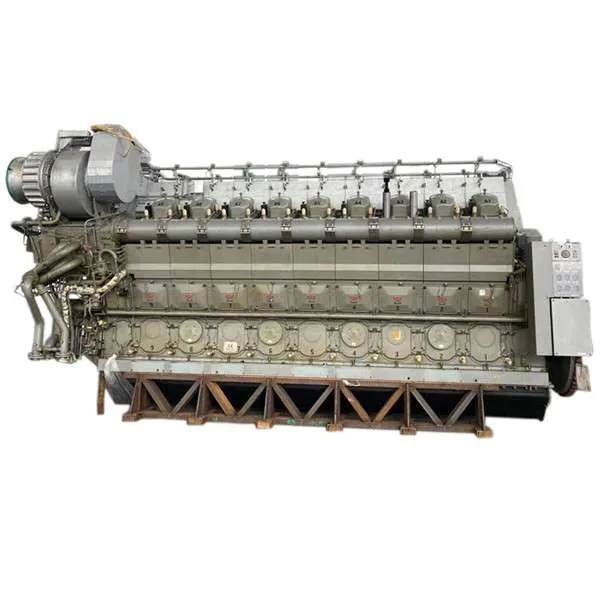
- The 10,000m² Warehouse Advantage: Large-scale storage in maritime hubs (like China or Singapore) means parts for MAN B&W, Wärtsilä, and Yanmar are “Ready-to-Ship” rather than “Ready-to-Order.”
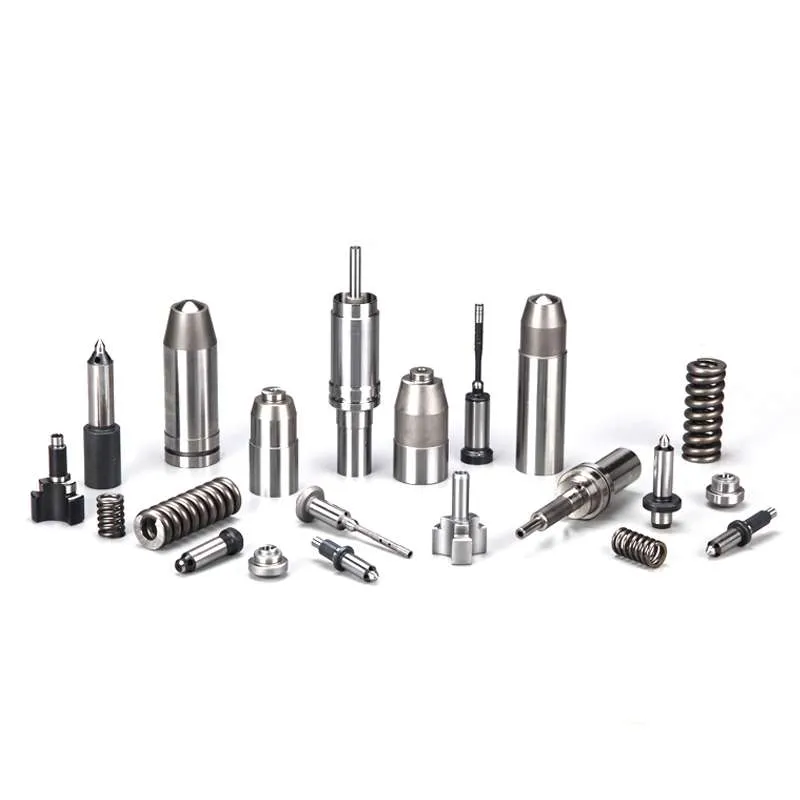
- Standardize Common Spares: Keep high-wear items like fuel injectors, gaskets, and filters in your own fleet’s central warehouse to reduce the initial procurement lag.
2. Digitalize the RFQ and Technical Verification (Processing Phase)
Delays often happen before a single crate is moved, usually due to “Email Back-and-Forth” regarding part numbers and compatibility.
- Use Exact Part Numbers & Serial Data: Providing the engine’s Nameplate Data and IMPA/ISSA codes in the first inquiry can save 24–48 hours of technical clarification.
- Pre-Approved Technical Drawings: Maintain a library of approved technical drawings with your primary supplier. When a part is needed, the supplier can verify the dimensions against your “Master File” immediately.
- API Integration: Top-tier ship managers are now linking their ERP systems (like Danaos or ShipNet) directly with supplier databases for real-time stock checks.
3. The “Smart Consolidation” Strategy (Logistics Phase)
Shipping parts individually from different factories is a recipe for delay.
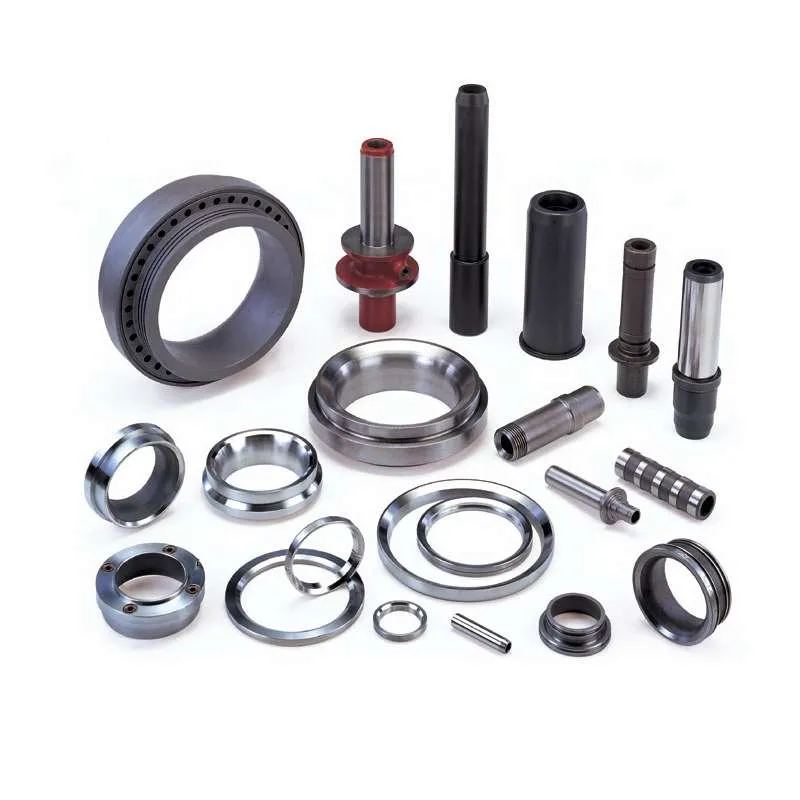
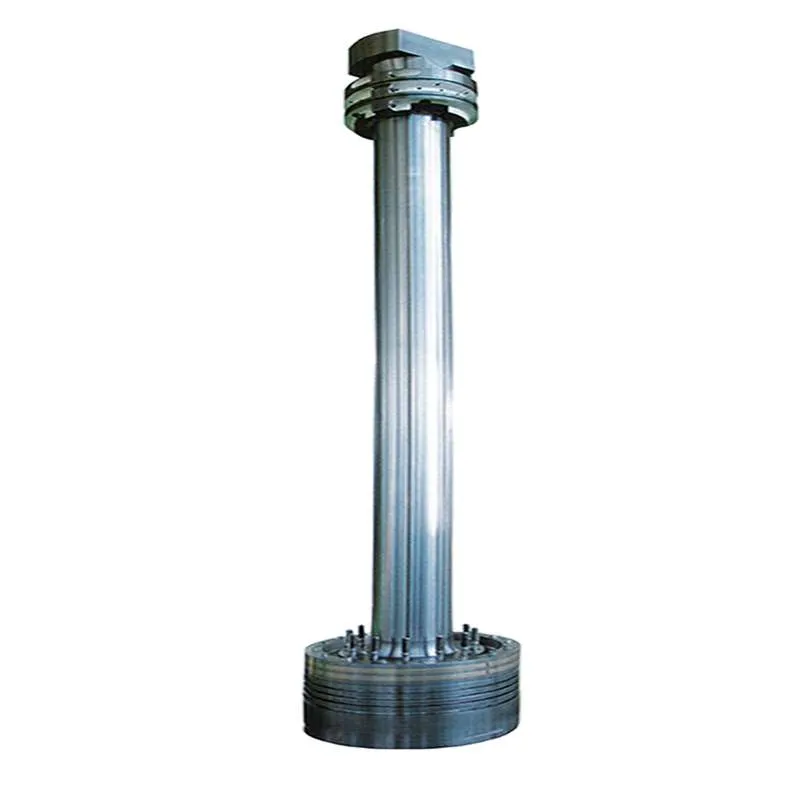
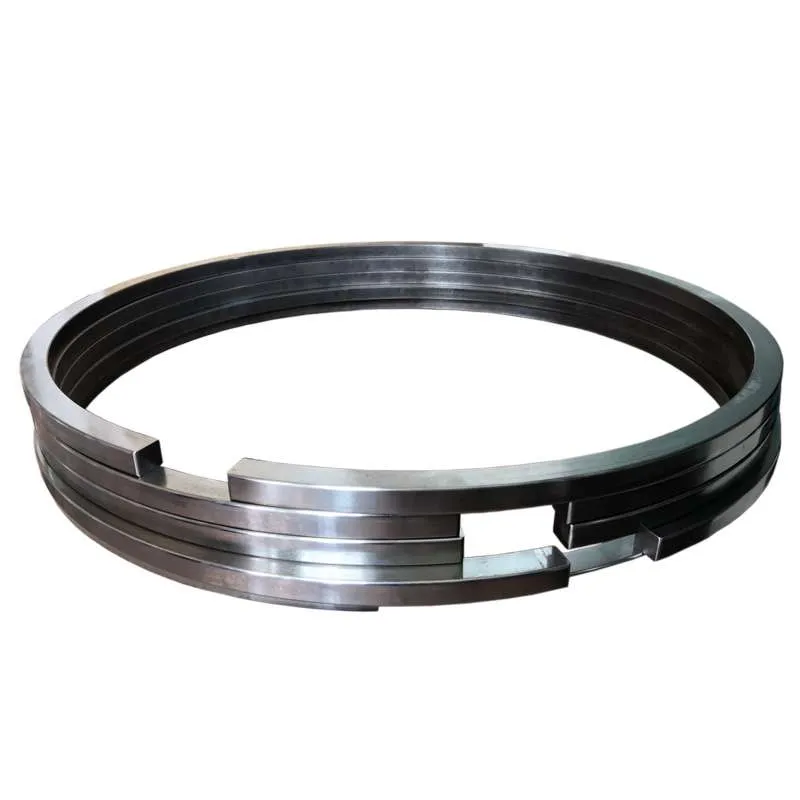
- Centralized Hub Consolidation: Send all components—from heavy cylinder liners to tiny O-rings—to a single consolidation warehouse.
- Reducing Customs Friction: One large, professionally documented shipment clears customs much faster than five small packages. A single Master Air Waybill (MAWB) simplifies the “Last-Mile” delivery to the agent.
- Air Freight vs. Sea Freight: For critical “Vessel-Off-Hire” situations, use specialized Marine Courier Services that offer “Hand-Carry” options for small, high-value electronics or sensors.
4. Strategic Port Selection for Delivery
Not all ports are created equal. Choosing where to “intercept” the vessel can cut days off your lead time.
- Bunker & Provisions Stops: Time your delivery to coincide with the vessel’s scheduled bunkering. Ports like Singapore, Fujairah, and Rotterdam have specialized “Launch Services” that deliver parts to the vessel at anchorage, avoiding the need for a berth.
- Free Trade Zones (FTZ): Storing parts in an FTZ near major shipping lanes allows for immediate re-export without the delay of local import duties and taxes.
5. Build a “Priority” Relationship with Your Supplier
In times of global supply chain disruption, “Preferred Customers” get the stock first.
- Annual Volume Contracts: By committing to a wholesale partnership, you ensure that your orders move to the front of the “Picking & Packing” queue.
- Local Expertise: A China-based supplier like Sourcing Marine understands the local holiday schedules (like Golden Week or Spring Festival) and can help you “Pre-Stock” items to avoid seasonal shutdowns.
Conclusion: Speed is a Technical Skill
Reducing lead time requires a shift from Reactive Purchasing to Proactive Supply Chain Management. By leveraging high-capacity warehousing and smart logistics, ship managers can protect their vessels from the high costs of inactivity.
Is your fleet facing a critical deadline?
Our logistics team specializes in 48-hour dispatch for in-stock components. Contact [email protected] or visit sourcingmarine.com to fast-track your next order.