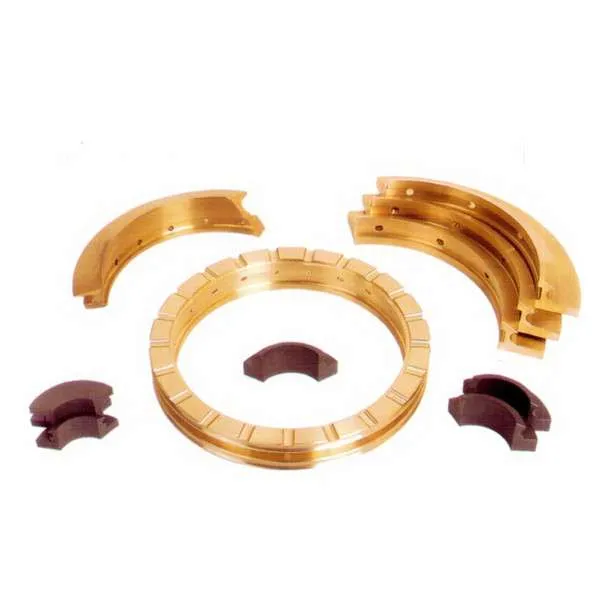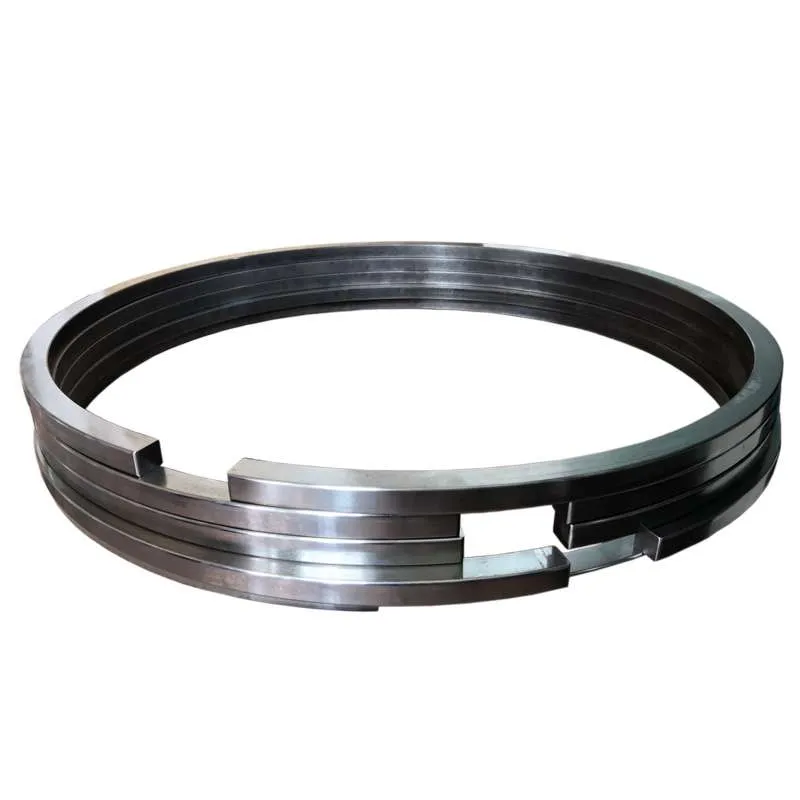
In the competitive world of maritime operations, Managing Director and Procurement Managers are under constant pressure to balance vessel reliability with rising OPEX (Operating Expenditures). Traditionally, European or Japanese OEMs were the default choice. However, a massive shift is occurring: Tier-1 ship management companies are increasingly moving their primary supply chains to strategic hubs in China.
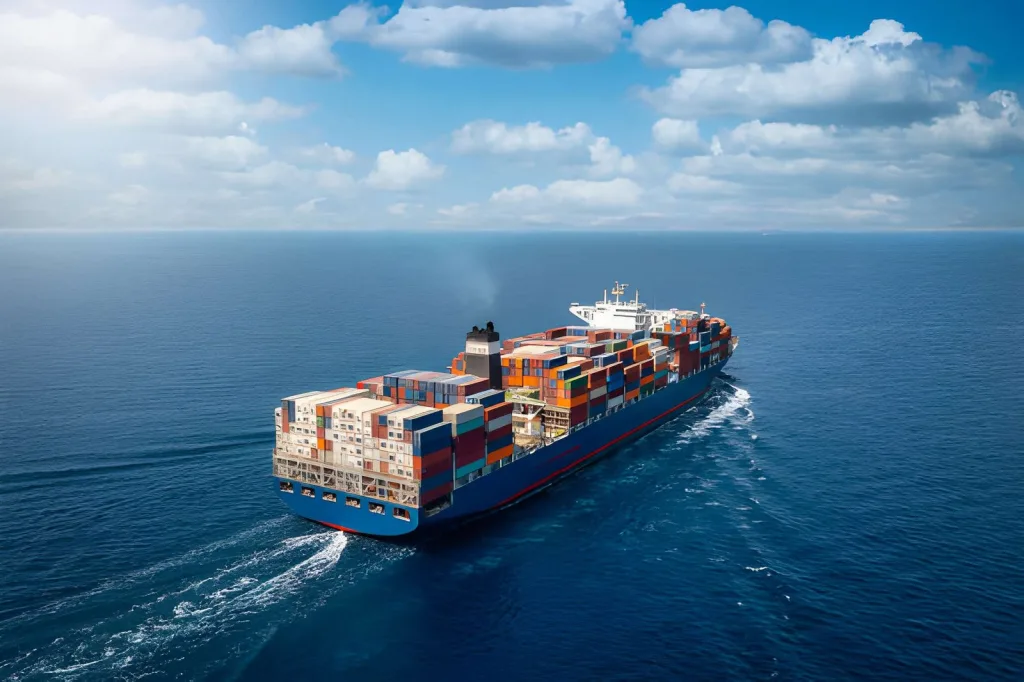
Here is why the global maritime industry is pivoting to China-based partners like Sourcing Marine.
1. Proximity to the World’s Largest Maritime Manufacturing Hubs
China is no longer just a “low-cost” alternative; it is the world’s shipyard. By partnering with a supplier based in a maritime hub like Shenzhen or Shanghai, ship managers gain direct access to the source.
- Reduced Lead Times: Parts don’t need to cross oceans before they even reach a consolidation center.
- Factory-Direct Insights: Local suppliers have “boots on the ground” to verify production schedules at the factory level.
2. The Rise of High-Precision OEM Standards
The gap between “Genuine” and “OEM” has closed. Leading Chinese manufacturers now utilize the same metallurgical standards and CNC precision as European brands.
- Technical Compliance: Reputable Chinese suppliers provide components that meet ISO standards and carry class certifications from DNV, LR, and ABS.
- Reverse Engineering Excellence: For obsolete machinery where the original maker no longer exists, Chinese technical teams excel at recreating “hard-to-find” parts from physical samples or technical drawings.
3. Strategic Warehousing & Smart Consolidation
One of the biggest leaks in a ship manager’s budget is fragmented logistics. Buying 10 parts from 10 different global vendors leads to 10 separate freight bills and 10 customs clearances.
- The 10,000m² Advantage: Large-scale China-based suppliers offer massive warehousing. They act as a centralized logistics hub, collecting orders from multiple factories into a single, optimized shipment.
- Freight Savings: Consolidating LCL (Less than Container Load) into a single FCL or air-freight bundle can reduce logistics costs by up to 40%.
4. Real-Time Responsiveness (7×24 Support)
Global shipping never sleeps. A vessel at anchor waiting for a fuel pump costs thousands of dollars per hour in Downtime.
- Agile Communication: Modern Chinese suppliers have adopted Western business communication standards, offering 24/7 support to match the time zones of Europe, the Middle East, and the Americas.
- Last-Mile Logistics: Proximity to major ports like Ningbo, Guangzhou, and Hong Kong means parts can be delivered to a vessel in transit within 24–48 hours.
5. Cost-Efficiency Without Quality Sacrifice
The primary driver remains the bottom line. By removing the “Brand Premium” associated with European middlemen, ship owners can save significantly on:
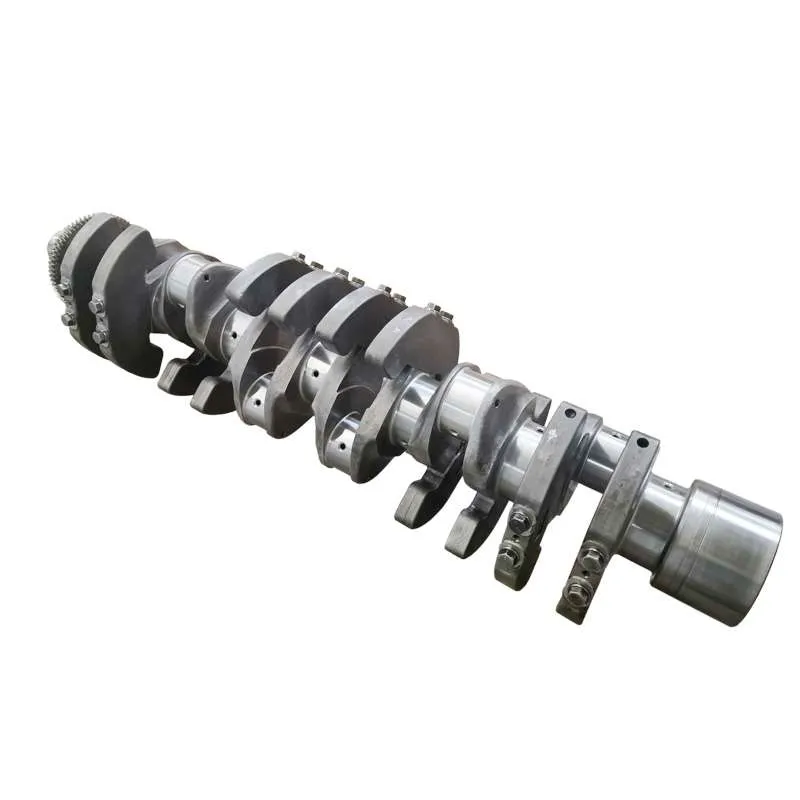
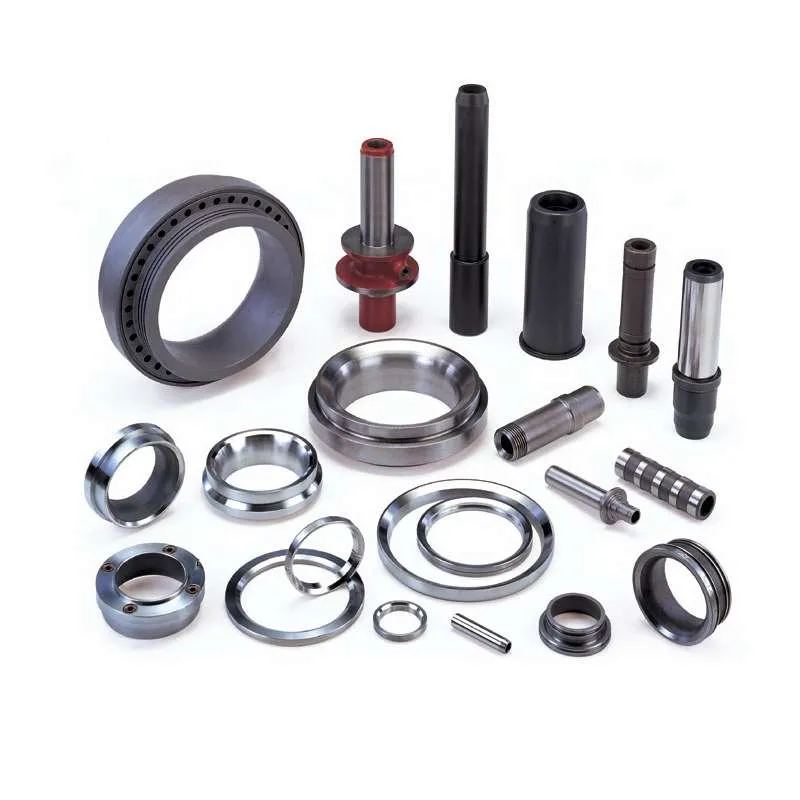
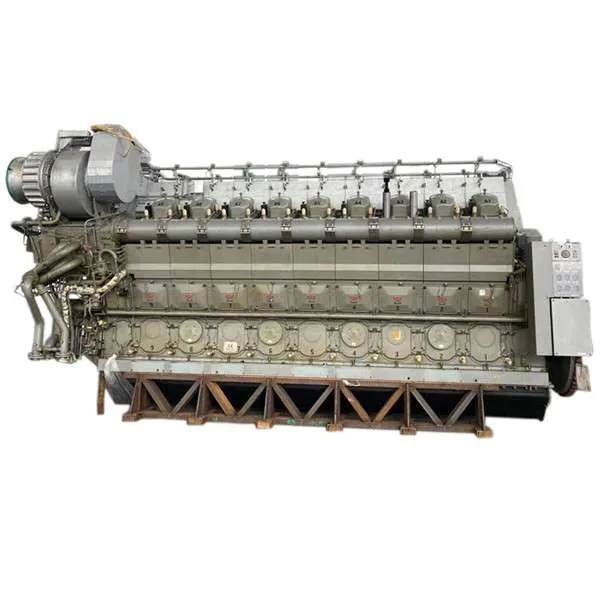
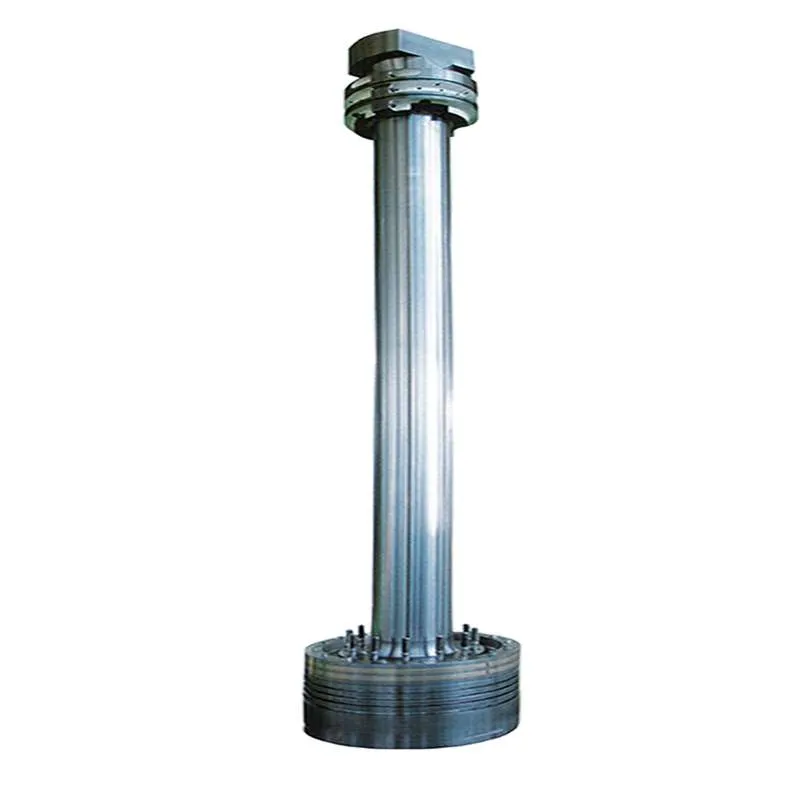
- Main & Auxiliary Engine Spares: (Pistons, Liners, Valves).
- Critical Auxiliaries: (Turbochargers, Oil Purifiers, Heat Exchangers).
- Deck & Navigation Equipment.
Conclusion: A Strategic Shift for 2026
The switch to China-based suppliers isn’t just about saving money—it’s about supply chain resilience. With 6,000+ SKUs in stock and the technical capability to manufacture bespoke parts, partners like Sourcing Marine provide the reliability that modern fleet managers demand.
Is your fleet ready to optimize its procurement?
Contact our technical sales team at [email protected] or visit sourcingmarine.com to request a wholesale quote today.